🎉 Our Impact Report - The Inclusive Alpha Playbook, Part I is now live!
Read now

At Ada Ventures, we believe the most ambitious ideas can come from anywhere. Yet too many exceptional founders remain overlooked by traditional venture capital. Our investment philosophy, Inclusive Alpha®, is built on finding and backing overlooked founders to unlock opportunities, drive financial performance and create meaningful impact.
Our second Impact Report, The Inclusive Alpha Playbook, Part I, shares our progress since 2024, what we've learned and how we're building a more inclusive venture capital industry.
In our first impact report in 2024, we set out two goals: to invest £100 million into companies that improve the lives of 100 million people by 2030, and to catalyse a more inclusive venture industry.
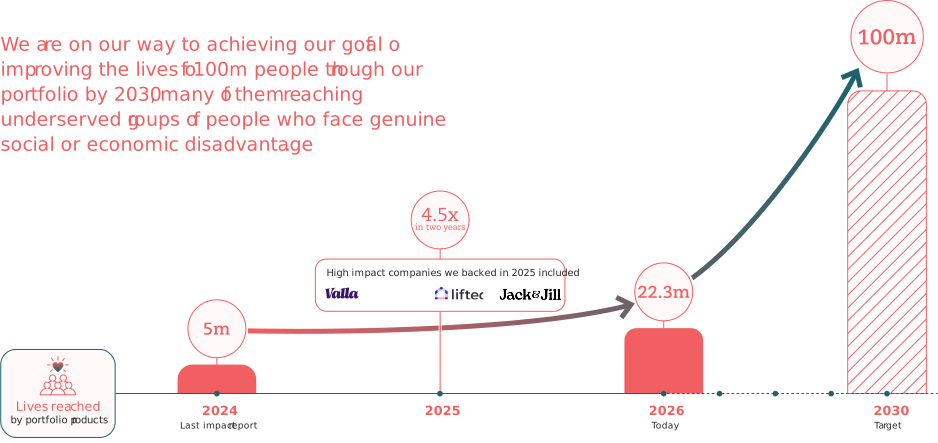
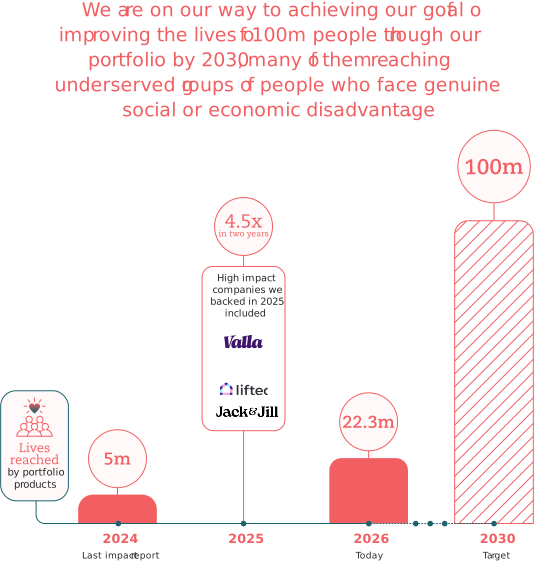
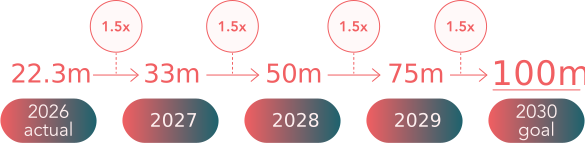
Two years on, the number of lives improved by our portfolio has grown from >5 million to 22.3 million, a 4.5-fold increase. 75% of the capital deployed across Funds I and II sits in companies rated high or medium impact. Six years into investing, we remain astounded by our founders and their dedication to improving the lives of others. They are building companies that enable education for underserved groups (Medly AI, Gizmo), medical diagnostics & management for conditions that are common but under-researched (JunoBio, Otoimmune), and doing the unglamorous materials and supply-chain work that decarbonisation actually depends on (MatNex, Low Carbon Materials). Section I Chapter 1 of this report shows you a snapshot of these founders in our portfolio.
We are thrilled that our work on a more inclusive ecosystem is starting to bear fruit too. Only 8% of UK VC funding in 2025 went to all-women founding teams, and studies show that more women on the investment committee means more women get funded. Section II dives deeper into our systems change work and looks at how our Ada Angel program contributed to the success of two diverse emerging managers in our community in raising their first funds. We still have a long way to go, but we are excited to see what happens when these exciting new managers start to deploy funds.
Underpinning all of this work is Inclusive Alpha, the investment philosophy we launched in October 2023: read Section I to see how we continue to refine our ways of sourcing inclusively (Chapter 2), selecting with de-biased methods (Chapter 3), and meeting founders where they are in their lives with childcare support (Chapter 4).
AI is changing the way we live and work in front of our eyes. When we were building Deck Genius (deckgenius.ai), our free tool giving founders instant feedback on their decks, we found in our beta testing that it was scoring all-women founding teams more harshly on their financials than all-men founding teams. We rectified it quickly, but instances like these are why we keep banging the drum for inclusion. The way we invest today directly shapes the technologies that get built for the future, and our role is to find the founders who will build them responsibly, especially for those who are overlooked and underserved.
Part of our ambition is to create a playbook for how venture capital could be done differently, inclusively. This report is the first instalment. We hope it helps you to embed inclusion in your own context.

Thank you to Nina Slingsby at OAHA and Jezz Brown, social mobility researcher at Manchester University, who were central to making this report come to life, Section II in particular; to Sarah Hesz, COO at Bubble, whose insight on childcare provision for entrepreneurs has been invaluable; and to our team, venture partners and steering group for their unwavering dedication to our mission. Above all, thank you to our founders, LPs, Scouts and Angels who are the reason any of this impact exists at all.
Thank you for reading our second impact report.
Xun Ning Choong, Head of Operations and Impact


Our 2026 Impact Report explores how Inclusive Alpha® is driving measurable impact, opening doors for overlooked founders and helping reshape venture capital.
As pre-seed investors, our investment is made ±10 years before companies reach scale.
To reach our 100m ‘lives improved’ goal, we have to increase our portfolio’s reach by 1.5x per year.





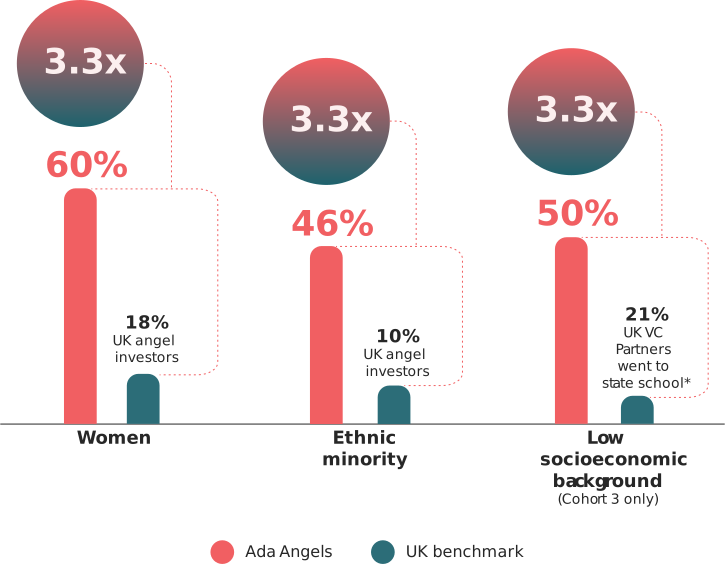
The Ada Angels programme was launched to diversify the angel investing community.

We started the Ada Angel programme to change the status quo: 86% of angel investors in the UK are male (2026) and 86% also identify as White (2020). This lack of diversity at the earliest stages of investing has a direct effect on the type of companies that get funded. On average, 40% of investments made by women Angel investors were into companies led by all-women or mixed gender founding teams. This in turn affects the pipeline of companies that are able to pitch to institutional venture funds, including pre-seed funds like Ada Ventures. The Angel programme was designed to provide capital and training to individuals to start angel investing. These individuals are usually active operators in tech, or are leaders of underrepresented groups of entrepreneurs.
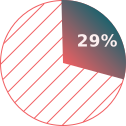
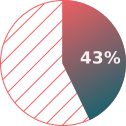
**Of the Angels who responded to our survey. See the Appendix in the report for methodology.



European Angel 2024 Cohort